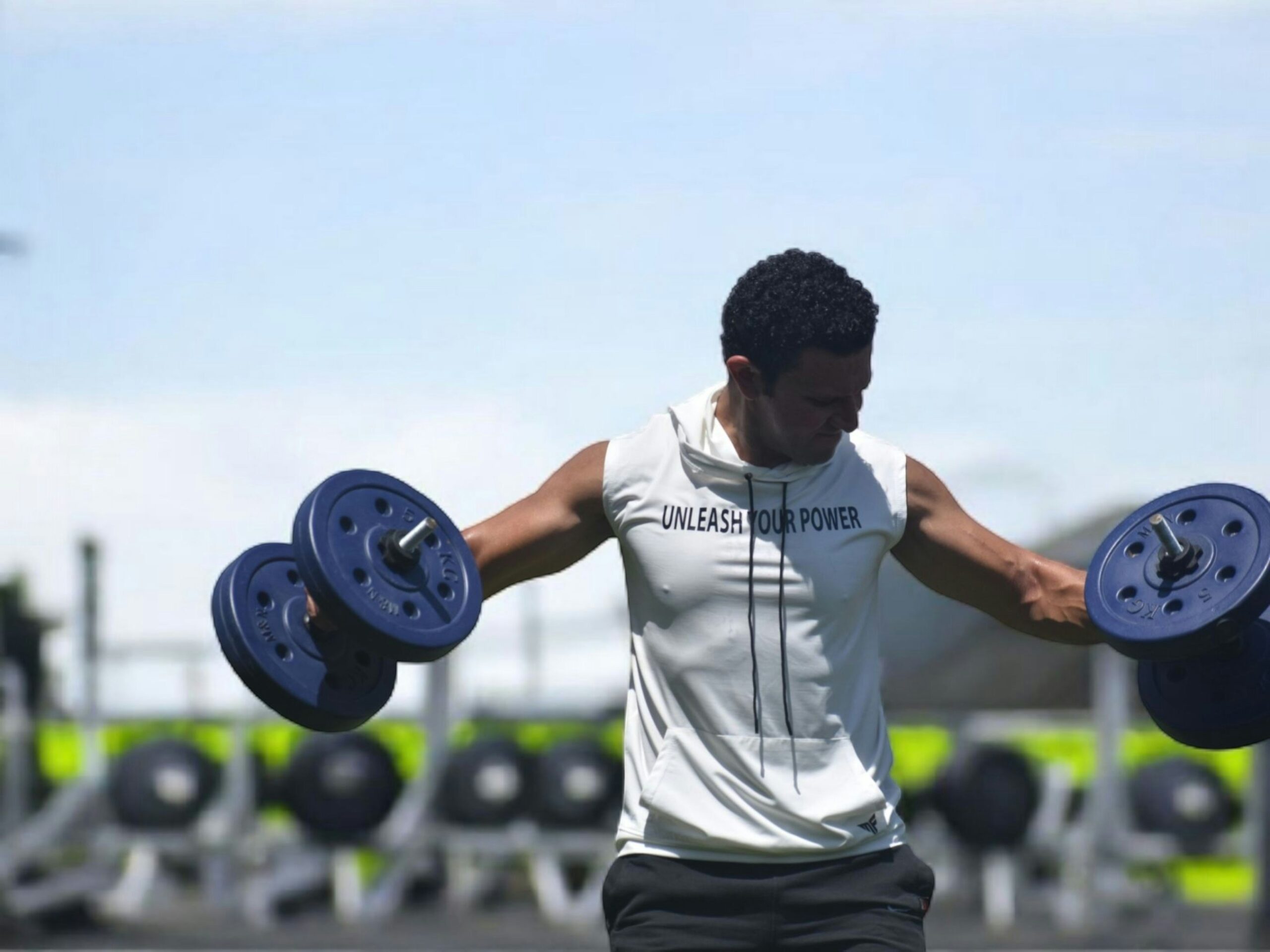
Strength training is often associated with mirrors, muscle size, and gym routines. But its real value shows up far from the weights. Lifting builds strength that supports daily life in quiet but powerful ways. From carrying groceries to staying steady on uneven ground, the benefits go well beyond fitness spaces.
This kind of training teaches the body to work as a whole. Muscles, joints, and the mind learn to move together with purpose. Over time, this leads to strength that feels useful, not just impressive. The body becomes more capable in ways that matter every day.
Strength as a Skill, Not Just Muscle
Weight training builds more than muscle tissue. It trains the body to produce force with control. Each lift asks the body to stay balanced while moving against resistance. This process teaches muscles to fire together rather than work alone. Outside the gym, this skill shows up in simple actions. Standing up from a chair feels easier. Lifting a child feels safer. The body knows how to support itself because it has practiced doing so under load. Strength becomes something the body can use on demand.
The nervous system also plays a key role. Lifting weights teaches the brain how to send clear signals to muscles. Over time, these signals become faster and stronger. This is why people often feel stronger before they see visible change. That improved connection helps in daily movement. The body reacts more quickly when balance is challenged. Muscles respond without hesitation. These moves feel smooth and confident in real-world situations.
Better Movement in Everyday Tasks
Daily life asks for strength in many forms. Bending, reaching, pushing, and pulling happen all day. Weight training prepares the body for these actions by improving joint coordination. It supports healthy movement patterns that reduce strain. Training also improves posture. Strong muscles around the hips, back, and shoulders help the body stay upright. This reduces fatigue during prolonged standing or sitting. The body feels supported instead of tense.
Carrying objects becomes less stressful as well. Bags, boxes, and tools feel lighter when the body knows how to share the load. Strength is distributed across muscles rather than being overused in one area. This lowers the chance of aches and sudden pain. Even small tasks benefit from this foundation. Opening heavy doors or moving furniture requires less effort. The body feels prepared instead of surprised. That sense of readiness builds trust in one’s own strength.
Balance and Stability Beyond Exercise
Strength training improves balance by strengthening the muscles that keep the body steady. These muscles work quietly but constantly. When they are weak, small challenges can feel risky. When they are strong, movement feels secure. Lifting weights often requires standing firm while moving the resistance. This teaches the body to stay stable under pressure. The feet, legs, and core learn to adjust without conscious effort. That skill carries over to walking on uneven surfaces.
Stability matters as people age. Strong muscles help prevent falls by supporting quick corrections. When balance slips, the body reacts faster. This can make the difference between a stumble and a fall. Confidence grows alongside stability. Knowing the body can handle sudden movement reduces fear. This encourages people to stay active, which supports long-term health. Strength becomes a tool for independence.
Mental Strength Gained Through Physical Effort
Weight training challenges the mind as much as the body. Each session asks for focus, patience, and effort. Progress comes slowly, which teaches persistence. These lessons shape how people approach challenges outside fitness. Lifting also builds awareness of limits and growth. Feeling stronger over time proves that effort leads to change. This builds confidence that carries into work, relationships, and personal goals. The mind learns to trust the process.
Stress management improves through regular training. Physical effort provides a clear outlet for tension. The body releases built-up stress, leaving the mind calmer. This helps people respond better to daily pressure. The sense of control gained through training matters too. Choosing to lift and seeing results creates a feeling of agency. Life feels less overwhelming when the body feels capable. Strength supports mental clarity.
Injury Resistance in Real Life
Strong muscles protect joints by absorbing force. Weight training builds this protection through controlled movement. The body learns how to handle a load without strain. This reduces the risk of injury during sudden or awkward actions. Every day life includes unexpected movements. Slipping, twisting, or reaching quickly can stress the body. A strong body responds with support instead of collapse. Muscles act as shock absorbers when something goes wrong.
Training also improves flexibility through strength. Moving through full ranges under control keeps tissues healthy. This balance of strength and movement supports joint health over time. Recovery becomes easier as well. Stronger bodies handle stress better and bounce back faster. Minor aches fade more quickly when muscles support healing. This allows people to stay active without long breaks.
Strength That Supports Long-Term Independence
As people grow older, strength plays a key role in independence. Daily tasks depend on the ability to move freely. Weight training helps preserve this ability by maintaining muscle and coordination. Simple actions like climbing stairs or rising from the floor remain manageable with strength. This reduces reliance on others. Independence supports dignity and quality of life.
Training also supports bone health by placing healthy stress on the body. This helps maintain structure and resilience. Strong bones work with strong muscles to support movement. The long-term benefit is freedom. Strength allows people to live life on their terms. It supports activity, confidence, and resilience through the changing seasons of life.
Strength That Truly Matters
Weight training builds strength that shows up when it matters most. It supports daily movement, mental resilience, and long-term health. The gym becomes a place of practice, not the final goal.
That strength carries into real moments. It helps people move with ease, react with confidence, and live with independence. Beyond the weights, it becomes a foundation for a capable and active life.