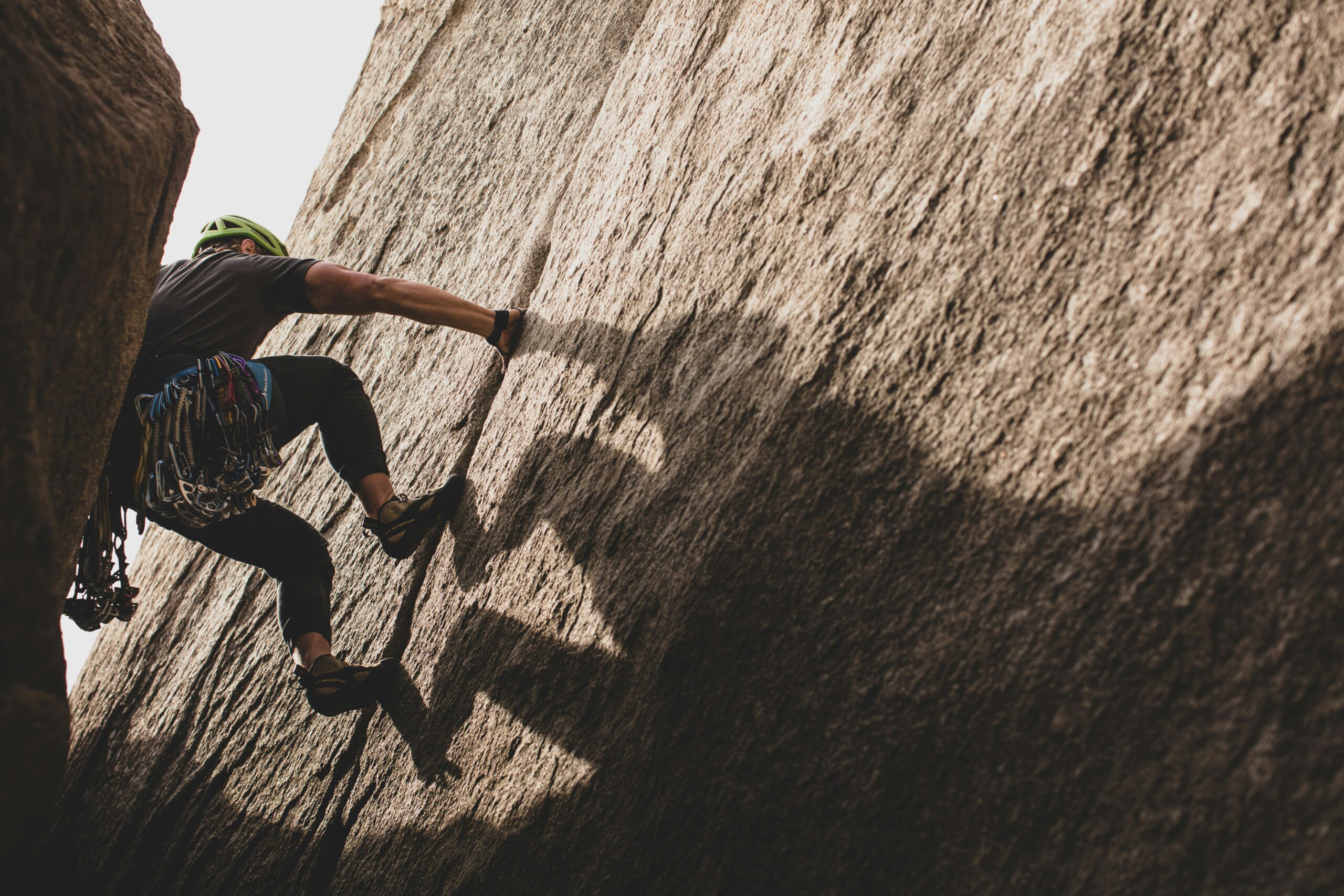
Success in the professional world rarely comes from talent alone. While intelligence and opportunity play roles, the ability to push through discomfort often separates high achievers from the rest. Physical grit, which refers to the capacity to endure physical challenges and persist despite fatigue, directly influences how individuals approach obstacles in their careers.
Moreover, the discipline developed through physical endurance translates into mental resilience. When people train their bodies to overcome strain, they simultaneously strengthen their mindset. As a result, they become better equipped to handle pressure, tight deadlines, and demanding responsibilities in the workplace.
The Connection Between Physical Endurance and Mental Strength
Physical grit builds a foundation for mental toughness. When individuals engage in challenging physical activities such as running, strength training, or endurance sports, they learn to tolerate discomfort and push beyond perceived limits. This process rewires the brain to handle stress more effectively, making difficult professional situations feel more manageable.
Additionally, overcoming physical barriers fosters confidence. Each time a person completes a tough workout or surpasses a physical milestone, they reinforce a belief in their ability to succeed. Consequently, this confidence carries into professional settings, where challenges require persistence and self-assurance.
Discipline as a Bridge Between Body and Career
Consistency in physical training demands discipline, and that same discipline proves essential in professional growth. Showing up daily for workouts, even when motivation fades, mirrors the commitment required to excel at work. Over time, this habit strengthens reliability and accountability.
Furthermore, disciplined individuals tend to manage their time better. They prioritize tasks effectively and maintain structured routines. As a result, they can balance multiple responsibilities without becoming overwhelmed, which is a critical skill in any demanding career.
How Physical Challenges Build Resilience in the Workplace
Facing physical adversity teaches individuals how to respond to setbacks. When muscles fatigue or endurance wanes, the body signals discomfort. However, pushing through these moments develops resilience, which becomes invaluable in professional environments.
In the workplace, challenges often appear in the form of failed projects, criticism, or unexpected obstacles. Those with physical grit are more likely to view these setbacks as temporary rather than permanent. Therefore, they recover quickly and continue moving forward with determination.
The Role of Pain Tolerance in Achieving Long-Term Goals
Physical training often involves discomfort, whether from intense workouts or prolonged exertion. Learning to tolerate this discomfort helps individuals understand that progress requires effort and sometimes pain. This mindset becomes crucial when pursuing long-term professional goals.
Likewise, career growth often involves sacrifices such as long hours, continuous learning, and stepping outside comfort zones. Individuals who have developed physical grit are more prepared to embrace these demands. Consequently, they stay committed to their goals even when the journey becomes difficult.
Building Confidence Through Physical Achievement
Accomplishing physical goals, such as completing a marathon or mastering a challenging exercise, creates a strong sense of achievement. This sense of accomplishment boosts self-esteem and reinforces a growth-oriented mindset. As confidence grows, individuals become more willing to take risks in their professional lives.
In addition, confidence influences how others perceive an individual. Professionals who display self-assurance often gain trust and credibility more easily. Therefore, physical grit indirectly enhances leadership potential and career advancement opportunities.
Energy, Stamina, and Workplace Performance
Physical fitness directly impacts energy levels and stamina. Individuals who maintain strong physical health are better equipped to handle long workdays without experiencing burnout. This increased endurance allows them to remain productive and focused throughout the day.
Moreover, improved stamina enhances cognitive performance. Regular physical activity supports brain function, leading to sharper decision-making and better problem-solving skills. As a result, physically resilient individuals often outperform their peers in demanding roles.
Developing a Growth Mindset Through Physical Effort
Physical challenges reinforce the idea that improvement comes through effort. When individuals see progress in their physical abilities, they understand that growth is a continuous process. This realization fosters a growth mindset that applies equally to professional development.
Furthermore, a growth mindset encourages adaptability. In a rapidly changing work environment, professionals must learn new skills and adjust to evolving demands. Those who embrace physical grit are more likely to welcome these changes rather than resist them.
Leadership and the Influence of Physical Grit
Leaders who embody physical grit often inspire those around them. Their ability to remain composed under pressure and persist through challenges sets a powerful example. Consequently, teams led by such individuals tend to adopt similar attitudes toward work.
Additionally, physical grit enhances decision-making under stress. Leaders frequently face high-pressure situations that require quick and effective responses. Those accustomed to handling physical strain can maintain clarity and focus, even in demanding circumstances.
Integrating Physical Grit Into Daily Life
Incorporating physical grit into daily routines does not require extreme measures. Simple habits such as regular exercise, consistent movement, and gradual goal setting can build endurance over time. These practices help individuals develop both physical and mental strength.
At the same time, consistency remains the key factor. Small, repeated efforts lead to lasting change. As individuals commit to physical challenges, they naturally cultivate habits that support professional success.
The Lasting Impact of Physical Grit on Professional Success
Physical grit creates a ripple effect that extends beyond fitness. It shapes mindset, strengthens discipline, and builds resilience, all of which contribute to professional greatness. Individuals who embrace physical challenges develop qualities that set them apart in competitive environments.
Ultimately, success is not solely about skill or intelligence. It is about the ability to endure, adapt, and persist. Physical grit provides the foundation for these traits, making it a powerful driver of long-term achievement in any career path.