Positive change often begins when people take responsibility for the places where they live and work. Although large projects can bring significant benefits, consistent local actions can create lasting improvements. Residents who volunteer, support local businesses, and help their neighbors contribute to stronger communities. Regular involvement also builds trust and meaningful relationships across different backgrounds. When individuals work toward common goals, they create opportunities for social and economic growth. Therefore, steady local commitment provides a strong foundation for healthier, safer, and more connected communities.
Understanding the Value of Local Commitment
Local commitment means actively engaging with a community’s needs and challenges. People demonstrate this commitment through volunteering, supporting public spaces, and participating in neighborhood activities. These actions also help residents develop a stronger sense of responsibility. Instead of waiting for outside support, individuals can work together to address shared concerns. Even simple acts of kindness can improve daily life and encourage others to participate in meaningful community development.
Consistency also plays an important role in achieving lasting results. While occasional efforts provide immediate benefits, regular participation helps communities maintain progress. For example, residents who regularly care for public parks can improve their appearance and usability. Similarly, ongoing support for neighborhood programs can help families access valuable resources. Over time, these contributions create a culture of cooperation that benefits the entire community.
Strengthening Relationships Through Shared Efforts
Strong relationships help communities overcome challenges and create better opportunities. When residents participate in shared activities, they learn more about each other’s experiences and needs. Working together also encourages open communication and mutual respect. Community events, neighborhood meetings, and volunteer programs provide valuable opportunities for people to connect. As a result, individuals can develop meaningful relationships that support long-term community growth.
Shared efforts also help reduce social isolation and promote a sense of belonging. People often feel more comfortable asking for help when they know their neighbors. Supportive relationships also encourage residents to share resources, knowledge, and practical skills. These connections can become especially valuable during difficult times. As a result, steady local commitment strengthens social networks and helps communities respond effectively to unexpected challenges.
Supporting Economic Growth Within Communities
Supporting local businesses offers a practical way to encourage economic development. When residents buy goods and services from nearby stores, they help businesses stay open and create jobs. Moreover, independent businesses often develop strong relationships with customers and understand local needs. Their success can strengthen the local economy and encourage further investment in the area.
Community members can also support economic growth by promoting local services and sharing business recommendations. For instance, neighborhood events can introduce residents to small business owners and their products. Partnerships between local organizations and businesses can also create valuable learning and employment opportunities. As these relationships grow, communities become better prepared to manage economic challenges and support long-term financial stability.
Encouraging Environmental Responsibility
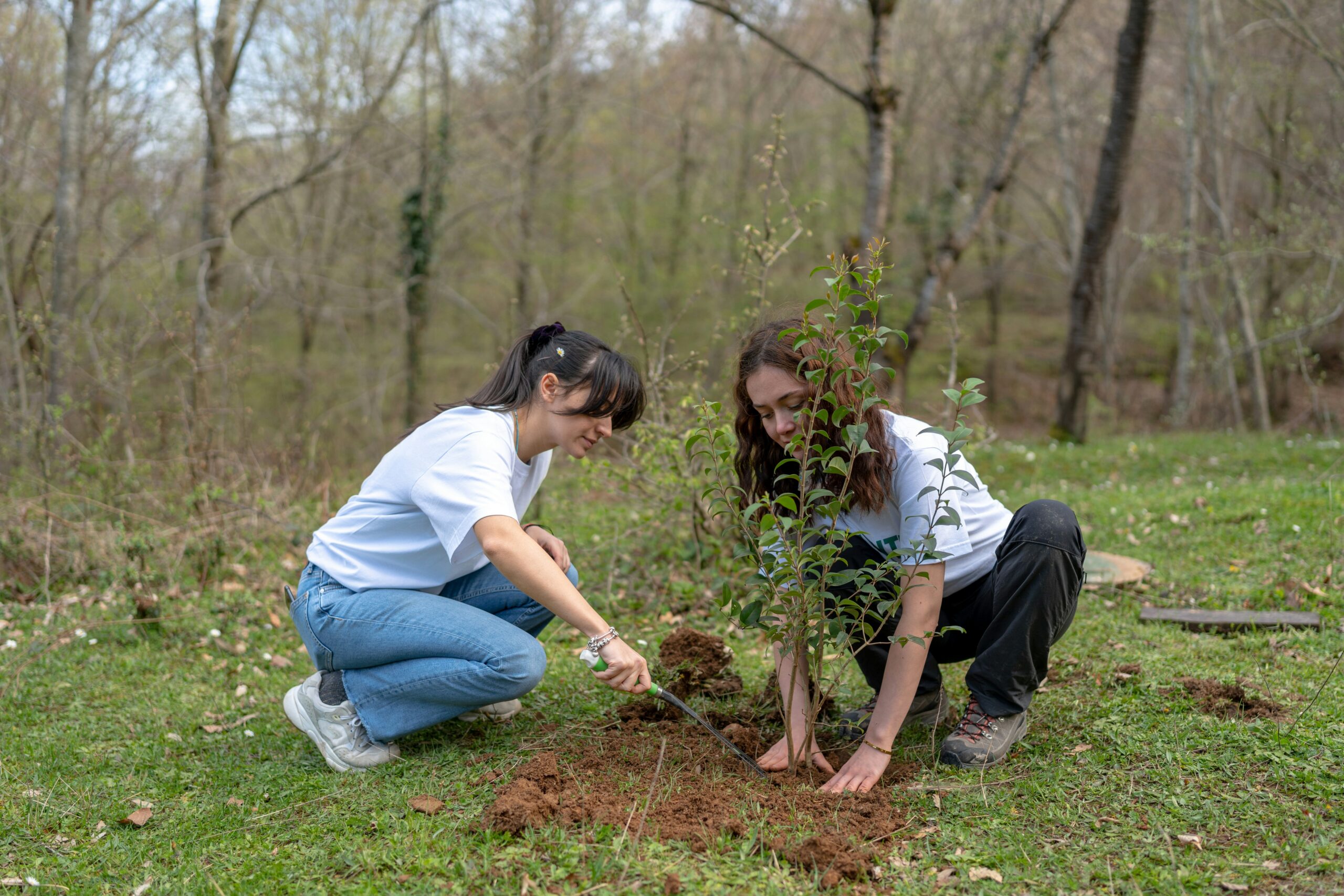
Environmental improvements often begin with simple actions that residents can maintain over time. Recycling, reducing waste, planting trees, and organizing cleanups can help protect shared spaces. These activities also encourage people to understand how their daily choices affect the environment. When residents take responsibility for their surroundings, they can create cleaner and more welcoming neighborhoods.
Community gardens also demonstrate how local commitment supports environmental and social goals. These spaces allow residents to grow fresh produce, share gardening knowledge, and build relationships. Moreover, they give children and adults opportunities to learn sustainable practices. Through continued participation, communities can protect natural resources while improving access to healthy outdoor activities. Therefore, environmental responsibility becomes an important part of lasting positive change.
Creating Opportunities Through Volunteer Work
Volunteer work allows individuals to contribute their time, knowledge, and skills to meaningful causes. Schools, food banks, shelters, and nonprofit organizations often rely on volunteers to support their programs. Volunteering also helps people understand the challenges others face. These experiences encourage compassion and inspire individuals to become more involved in community improvement. Regular participation also helps organizations maintain reliable services and reach more people.
In addition, volunteering supports personal and professional growth. Individuals can develop communication, leadership, and problem-solving skills while helping others. Young people, in particular, can gain valuable experience through community service. Meanwhile, older residents can share their knowledge and guide younger generations. As a result, volunteer work creates learning opportunities while strengthening relationships across the community.
Developing Stronger Community Leadership
Effective community leadership encourages residents to take initiative and address shared concerns. Local leaders can bring people together, organize projects, and promote practical solutions. However, leadership does not always require an official position. Anyone who identifies a problem and encourages others to help can contribute meaningfully. Therefore, communities benefit when residents feel confident sharing ideas and taking responsibility.
Furthermore, strong leaders encourage participation from people with different perspectives. They listen to concerns, welcome feedback, and help residents establish common goals. This approach promotes fairness and creates a sense of shared ownership. Over time, steady local commitment can inspire new leaders to continue important projects and introduce fresh ideas. As a result, communities can maintain progress even as their needs change.
Maintaining Progress Through Consistent Participation
Lasting community improvement requires patience, dedication, and regular involvement. Although some projects produce quick results, others need continued attention and support. Therefore, residents should establish realistic goals and celebrate gradual progress. Recognizing small achievements can maintain motivation and encourage wider participation. Regular communication also helps community members identify challenges and adjust their plans when needed.
Ultimately, steady local commitment transforms everyday actions into lasting positive change. Whether individuals support neighborhood businesses, protect natural spaces, or volunteer for meaningful causes, their contributions matter. Consistent participation also strengthens relationships and creates opportunities for future generations. Communities that value cooperation, responsibility, and shared progress can build environments where people feel respected and supported. Through continued dedication, residents can create a brighter future that reflects their shared values and goals.