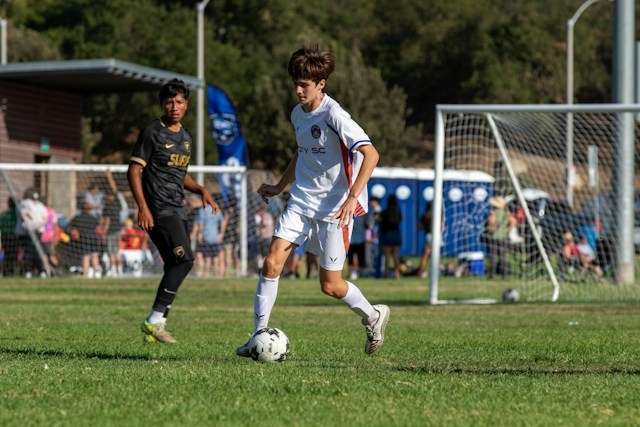
Strong communities grow when people have meaningful ways to connect, learn, and support one another. Local sports programs create these opportunities by bringing children, parents, coaches, schools, and neighbors together around shared goals. Beyond physical activity, sports can teach teamwork, discipline, leadership, and respect.
They can also create safe spaces where young people build friendships and develop confidence. As a result, sports can become an important part of community development. When communities invest in accessible athletic activities, they create stronger social connections while helping young people develop skills that can benefit them throughout life.
Creating Stronger Connections Among Local Residents
Sports give people a natural reason to meet and interact. Parents attend games, coaches work with young athletes, and volunteers support teams behind the scenes. As a result, a single youth team can bring many different people together. Over time, these regular interactions can build trust and stronger relationships among neighbors.
Moreover, community sports can create a stronger sense of belonging. When residents work together to organize games, maintain fields, or support teams, they contribute to something larger than themselves. These shared experiences can strengthen community ties and encourage people to become more involved in other local activities.
Helping Young People Build Important Life Skills
Youth sports teach lessons that extend far beyond the playing field. Players learn how to cooperate with teammates, follow rules, handle pressure, and work toward shared goals. Regular practice can also teach young people the value of commitment and patience. These skills can support their performance at school and later help them manage responsibilities at work and in personal life.
Sports also provide young people with opportunities to develop leadership skills. For example, older players may guide younger teammates, while coaches can encourage athletes to take responsibility for their actions. In addition, learning how to respond to both success and failure can build emotional strength.
Supporting Healthier and More Active Communities
Regular physical activity plays an important role in maintaining good health. Community sports encourage children and adults to stay active while making exercise more enjoyable. Instead of viewing physical activity as a task, participants can experience it through games, practices, and friendly competition. As a result, sports can help create healthier habits that may continue throughout life.
At the same time, sports can support mental health. Physical activity can provide a healthy way to manage stress, while social interaction can reduce feelings of isolation. Furthermore, being part of a team can give participants a sense of purpose and connection. Thus, community athletic activities can support both physical health and social wellness.
Giving Families More Opportunities To Participate
Sports can bring entire families into community life. Parents often attend practices and games, while siblings may participate in other activities at the same facility. As a result, sports can become a shared family experience rather than an activity limited to young athletes. These experiences can strengthen family relationships and create lasting memories.
In addition, affordable community sports can provide families with opportunities to meet people from different backgrounds. Parents can exchange advice, build friendships, and support one another. However, programs must remain accessible so that cost does not prevent participation.
Strengthening Schools Through Community Sports Partnerships
Schools often play an important role in youth athletics. However, strong partnerships between schools and community organizations can expand opportunities for students. Local sports programs can provide additional coaching, facilities, training, and activities that schools may not have the resources to offer.
These partnerships can also connect education with practical life lessons. For instance, students can learn about teamwork, responsibility, and leadership while participating in sports. Coaches and teachers can work together to encourage students to maintain healthy academic and athletic habits. As a result, sports can become a useful extension of the learning environment.
Creating Safer Spaces for Children and Teens
Young people need safe places to spend time, build friendships, and receive positive guidance. Organized sports can provide structured activities after school and on weekends. This gives children productive ways to use their free time while staying connected with trusted adults and peers.
Additionally, sports can help create positive social environments. Coaches can establish clear expectations for respectful behavior, teamwork, and fair play. When programs promote inclusion and positive communication, participants can feel more comfortable being themselves. As a result, well-managed sports activities can contribute to safer, more welcoming communities.
Encouraging Local Volunteers and Community Leadership
Community sports depend on more than athletes and coaches. Parents, local businesses, volunteers, and community leaders often help organize events, manage facilities, raise funds, or provide equipment. As a result, sports can encourage residents to take active roles in improving their neighborhoods. Even small contributions can make a meaningful difference when many people participate.
Furthermore, volunteering can help people develop leadership and organizational skills. A parent who helps manage a team may later become involved in another community project. Similarly, a local business that sponsors a youth team can build stronger relationships with residents. Over time, these connections can create a culture where people feel responsible for supporting their community.
Building Long-Term Benefits Through Accessible Sports
The value of community sports can continue long after a season ends. Young people who develop confidence, discipline, and teamwork skills can carry those lessons into adulthood. Meanwhile, families connected through sports may stay involved in other local activities. Thus, investing in youth athletics can create benefits that extend across generations.
However, local communities must focus on access and inclusion to achieve these long-term benefits. Programs should consider affordability, transportation, equipment needs, and opportunities for children with different abilities. Moreover, community leaders should listen to residents when planning new activities. When sports opportunities reflect local needs, they can create lasting connections and support stronger, healthier, and more engaged communities.